Why Some Collectors Prefer Watches With Visible Signs of Age
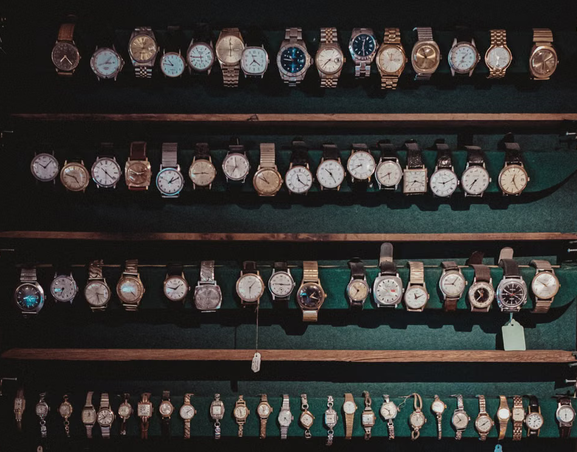
Collectors don’t always judge a watch solely by how new or flawless it looks. For some enthusiasts, visible signs of age add to an object’s character and connect it to the period in which it was produced. Changes in dial color, subtle case marks, and variations in luminous materials can develop naturally over many years. These characteristics may distinguish an older watch from a modern reproduction and give it a visual identity that reflects its history. Age can therefore shape how collectors understand and appreciate a particular timepiece.
Why Patina Can Be Visually Important
Patina is one of the most recognizable signs of aging found on vintage watches. It can appear as gradual changes in color or texture across the dial, hands, case, or other components. Factors such as exposure to light, humidity, temperature, and the materials used during manufacturing influence these changes. Because the process develops differently from one watch to another, aged surfaces can create subtle variations between examples of the same model. Collectors may value these differences because they make an individual watch appear less uniform and more distinctive.
The Relationship Between Wear and History

Physical wear can also provide clues about a watch’s past. Small scratches, softened edges, faded markings, and other imperfections may indicate that a watch has been worn regularly over a long period. For some collectors, these details create a stronger connection between the object and its history. A watch showing evidence of use can seem to tell a story that a fully restored example may not communicate as clearly. The appeal is therefore not necessarily based on damage itself, but on the sense that the visible condition reflects years of ownership and use.
Why Originality Can Matter More Than Perfection
Collectors sometimes place considerable importance on originality when evaluating older watches. A heavily polished case or newly refinished dial may look cleaner, but changes to original components can remove characteristics associated with the watch’s earlier appearance. An aged watch that retains its original dial, hands, case details, and other period-appropriate elements can therefore be considered more interesting. This preference reflects a broader collecting principle in which authenticity and historical continuity may be valued alongside physical condition rather than replaced by it.
How Individual Taste Shapes Collecting Preferences
Not every collector prefers visibly aged watches, and opinions can differ significantly depending on personal interests. Some people prioritize pristine condition, while others are drawn to watches that display natural aging and evidence of use. The appeal can also depend on the model, its production period, and how its materials have changed over time. Consequently, signs of age do not have one universal meaning within collecting communities. Their importance comes from how they shape an individual watch’s identity, authenticity, and historical character.
Some collectors prefer watches with visible signs of age because those characteristics can provide individuality, historical context, and evidence of long-term use. Patina and natural wear may distinguish one example from another while preserving connections to its original period. For enthusiasts who value authenticity, an aged appearance can be more meaningful than perfect cosmetic condition. Ultimately, the attraction is subjective, reflecting different ideas about what makes a watch interesting, authentic, and worth preserving.
…
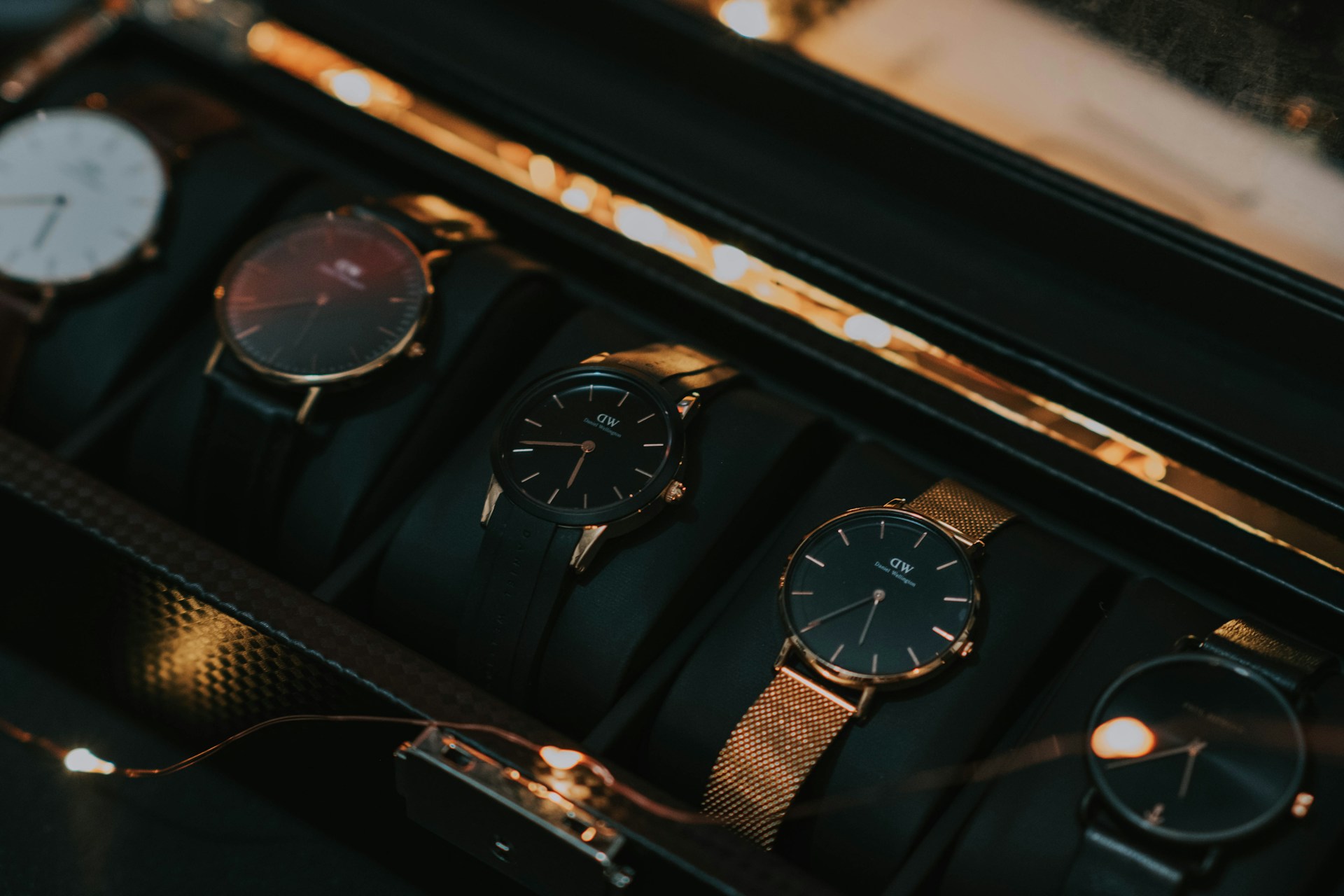
 Before buying your first or next timepiece, think about why you are collecting in the first place. Some people collect watches as an investment, hoping that rare models will appreciate. Others do it out of passion for design and engineering. Your purpose will guide your decisions and keep your collection cohesive. For instance, if you are focused on craftsmanship, you might prioritize mechanical watches with visible movements. If you care more about heritage, you could explore vintage models from historic brands. Knowing your reason ensures every piece you acquire feels purposeful and rewarding.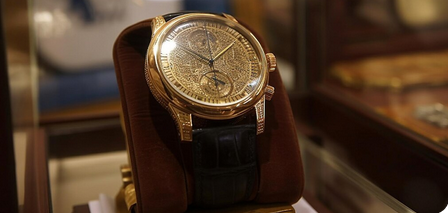

 Many people feel self-conscious about their teeth. This often leads to avoiding social situations or hiding smiles in photos. Imagine walking into a room and feeling confident enough to share your joy. When you’re proud of your smile, it shines through in every interaction. The anxiety that once accompanied speaking or laughing diminishes significantly when you know your grin looks great. You might even find yourself smiling more often, creating a positive feedback loop. As the transformation unfolds, you’ll notice changes not just in how others perceive you but also in how you perceive yourself. A newfound confidence allows for authentic connections and opens doors that may have previously felt closed due to self-doubt.